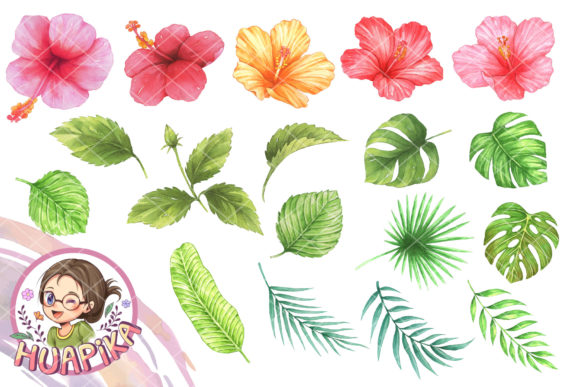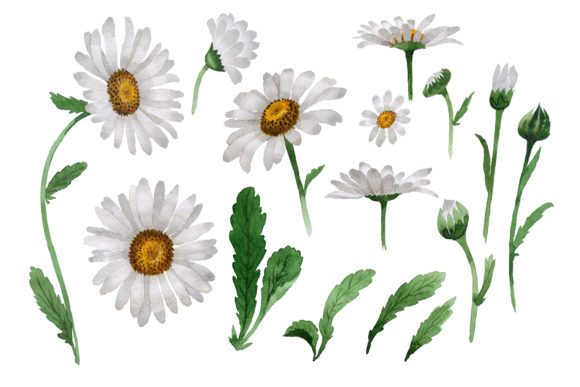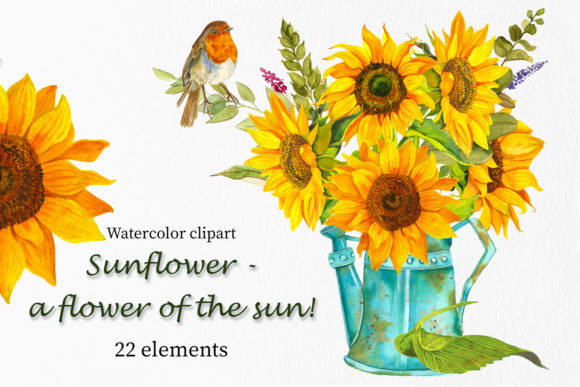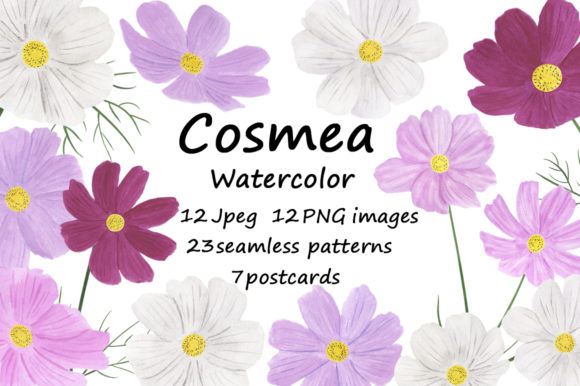
Flower Elements and Illustrations
Flower Elements is a creative design asset that brings a soft, natural energy to any project. As a brand designer and content marketer, I always look for visuals that enhance the message without overpowering it. Flower Elements does exactly that—offering a delicate balance between aesthetic appeal and functional use in marketing and branding.
The First Impression: Soft, Natural, and Memorable
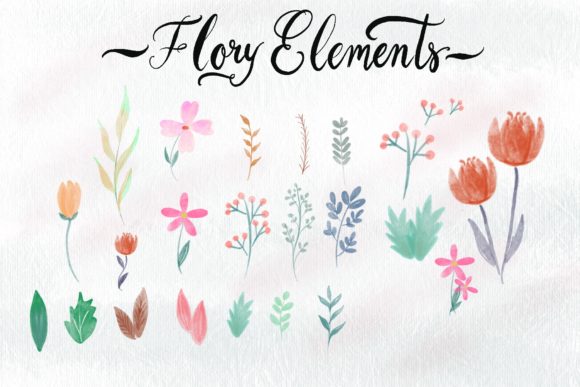
When I first encountered Flower Elements, the illustrations immediately evoked a sense of calm and elegance. The style is clean, with subtle textures and organic shapes that feel both modern and timeless. This makes it ideal for brands that want to communicate warmth, growth, or a connection to nature. Whether used in a lifestyle campaign or a seasonal promotion, the mood it creates is inviting and approachable.
The emotional tone of Flower Elements leans toward comfort and creativity. It’s perfect for handmade products, boutique brands, or content that aims to connect on a personal level. However, it also has enough sophistication to fit into premium visual campaigns, making it versatile across different brand identities.
Flower Elements in Real Marketing Situations
In my work, I’ve seen how Flower Elements can be integrated into various aspects of a marketing strategy. From brand identity to social media graphics, this illustration set offers flexibility and consistency. It works well as a background element in Canva templates, a decorative touch in email banners, or a central motif in a product launch campaign.
For small business branding, Flower Elements adds a professional yet friendly feel. It’s great for packaging design, where it can serve as an accent on product labels or inserts. In digital ads, it helps create a visual hierarchy that guides the viewer’s eye without overwhelming them.
As a content creator, I’ve used Flower Elements in blog graphics and website headers to add a touch of personality. It also pairs well with editorial design, where its simplicity allows text to remain the focal point while still enhancing the overall aesthetic.
Supporting Marketing Goals with Flower Elements
One of the key benefits of Flower Elements is its ability to strengthen a brand’s first impression. A well-designed visual can make or break a campaign, and this illustration set ensures that the initial impact is positive and memorable.
It also improves audience trust by offering a polished, cohesive look. When used consistently across marketing visuals, it reinforces brand recognition and helps build a stronger emotional connection with the target audience.
Flower Elements supports better product presentation by adding visual interest without distracting from the main message. It’s especially useful in content kits, where it can be used to create a unified look across multiple platforms.
Where Flower Elements Shines
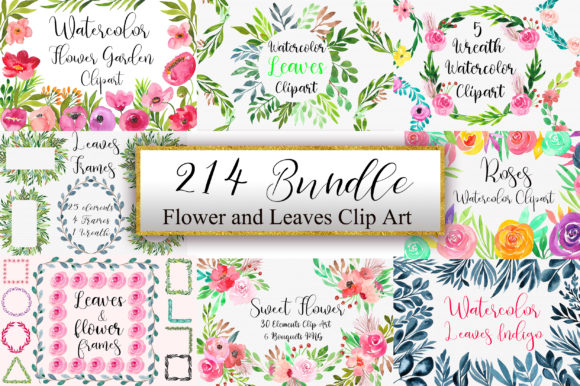
Flower Elements excels in hero graphics, campaign headers, and product launch visuals. Its clean lines and soft colors make it ideal for branded templates, social media covers, and packaging accents. It also works well in content bundles, where it can be paired with other design assets to create a complete visual package.
For Pinterest graphics and promotional banners, Flower Elements adds a touch of elegance that draws attention without being too busy. In editorial layouts, it serves as a subtle but effective decorative element that enhances the overall design.
Where to Use It Carefully
While Flower Elements is versatile, it may not be the best choice for formal corporate branding. Its soft, organic style could clash with a more rigid or minimalist brand identity. Similarly, it should be used sparingly in dense information layouts or small mobile graphics, where clarity is key.
Low-contrast backgrounds might make the illustrations less visible, so it’s important to test them in different contexts. Overly text-heavy ads or designs where the main message needs to stand out may also require careful placement of Flower Elements to avoid visual clutter.
Practical Brand Designer Notes
Before using Flower Elements in a campaign, I recommend testing it with your brand’s color palette. Ensure that the illustrations complement your existing visuals rather than compete with them. Also, check how they look in black and white to maintain consistency across different formats.
Place Flower Elements inside real campaign mockups to see how it interacts with other elements. Preview it on mobile screens to ensure readability at smaller sizes. Compare it against competitor visuals to ensure it stands out in a crowded market.
Test how Flower Elements pairs with different font styles—serif, sans serif, script, handwritten, and display fonts. Review spacing and balance to maintain a professional appearance. Finally, confirm the commercial license before using it in paid campaigns, client work, or business branding.
Flower Elements as a Design Asset
Flower Elements is a valuable addition to any creative marketplace. As a graphic design asset, it offers flexibility and quality that can elevate a wide range of projects. Whether you’re working on a digital product, printable design, or commercial design, this illustration set provides a strong foundation for visual storytelling.
For content marketers, it’s a powerful tool in content marketing efforts, helping to create engaging and visually appealing materials. It also supports web design, digital ads, and editorial design with its clean, adaptable style.
Overall, Flower Elements is a reliable choice for designers looking to enhance their brand identity, social media graphics, or marketing visuals. Its blend of beauty and functionality makes it a must-have in any design bundle.