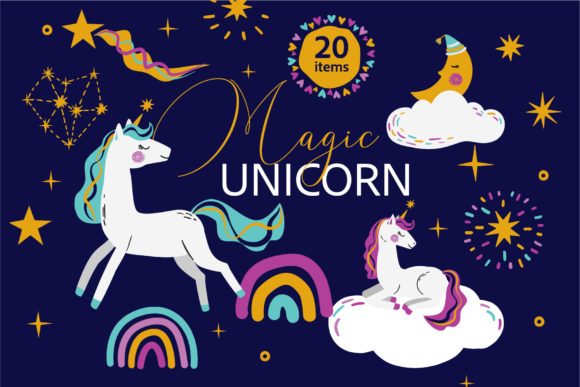
Magic Unicorns Embroidery Design
As an embroidery designer and product reviewer, I’ve seen my fair share of digital files. But when I came across the Magic Unicorns illustration, I knew it had potential—but not without some careful consideration. This design isn’t just about whimsy; it’s about how it translates into real-world projects. Let me walk you through what I found after testing it on a few different items.
The First Impression: A Magical Mood
From the moment I opened the embroidery file, I was struck by the charm of Magic Unicorns. The design has a soft, dreamy quality that feels perfect for baby items, personalized gifts, or even holiday decorations. The unicorns are stylized but not overly complex, with a balance of detail and simplicity that makes them versatile. The layout is clean, which is great for both small and larger projects.
The theme is clearly fantasy-oriented, which means it fits well in niche markets like children’s wear, boutique merchandise, or handmade shop items. But it also has enough subtlety to work on adult apparel or home decor if styled right.
Real-Life Use: Where Magic Unicorns Shines
I tested Magic Unicorns on a custom embroidered tote bag, a sweatshirt, and a baby onesie. Each application had its own set of challenges and rewards. On the tote bag, the design looked elegant and eye-catching. The stitch density was just right—enough to show detail without being too heavy. It worked well with a light-colored fabric, where the thread colors popped without overwhelming the design.
On the sweatshirt, I noticed that the design needed a bit more stabilizer to prevent puckering, especially around the unicorn’s mane. The satin stitches were smooth, but I would recommend using a medium-weight stabilizer for best results. For the baby onesie, the design was adorable and safe—no sharp edges or tiny details that could be a hazard.
One thing I appreciated was how Magic Unicorns handled different fabric textures. On a cotton tote, it looked crisp. On a knitted sweatshirt, it still held up, though the stretch did require a bit more attention during stitching.
Where to Be Careful: Limitations of Magic Unicorns
While Magic Unicorns is a strong design, there are some situations where it might not perform as well. For example, on small hoop sizes, the details can get lost. If you’re planning to use it on a cap or a patch, you’ll need to scale it appropriately or split it into sections. Thin or stretchy fabrics can also be tricky—without proper stabilizer, the design may pucker or distort.
Dark fabrics might require a different approach. The original design seems to work best on light backgrounds. If you’re planning to use it on a black or dark-colored garment, you might want to adjust the thread colors or consider an applique design for better visibility.
Another area to watch is the stitch density. If the design is too dense in certain areas, it could cause the fabric to stiffen or the stitches to bunch up. Always test on scrap fabric first before committing to a final project.
Impact on Visual Appeal and Customer Perception
When it comes to Magic Unicorns, the visual appeal is undeniable. It adds a touch of magic to any project, making it ideal for handmade products, personalized gifts, or commercial embroidery. Customers often respond positively to whimsical designs, especially when they’re well-executed.
But it’s not just about looks. The design also contributes to the perceived value of a finished product. A well-embroidered tote bag design with Magic Unicorns can make a small business stand out on Etsy or at a craft fair. It also helps build brand consistency, especially if you’re targeting a specific audience like parents, kids, or fantasy lovers.
For an Etsy seller or a craft business, this design could be a valuable addition to your collection. It’s giftable, recognizable, and has a clear visual identity that customers can connect with.
Practical Designer Notes: Testing and Preparation
If you’re considering using Magic Unicorns in your next project, here are a few things to keep in mind:
- Test on scrap fabric first to see how the design looks and behaves on your chosen material.
- Check thread color contrast against your fabric to ensure visibility and harmony.
- Review stitch density to avoid over-stitching or under-stitching issues.
- Confirm hoop size requirements to ensure the design fits your machine.
- Inspect small details like the unicorn’s eyes or ears to make sure they’re clear and defined.
- Test in black and white mockups to see how the design looks without color.
- Compare on light and dark backgrounds to determine the best application.
- Use proper stabilizer for stretchy or delicate fabrics.
- Check licensing if you plan to sell finished items or digital products.
These steps will help you avoid common pitfalls and ensure that your Magic Unicorns project turns out beautifully.
Final Thoughts: Is Magic Unicorns Worth It?
Overall, Magic Unicorns is a solid embroidery design that offers both aesthetic appeal and practical usability. It’s well-suited for a wide range of projects, from custom apparel to personalized gifts, and it can add a unique touch to any handmade product or small shop merchandise.
That said, it’s not a one-size-fits-all solution. Like any machine embroidery design, it requires thoughtful application and preparation. But if you take the time to test and adapt it properly, Magic Unicorns can be a valuable asset in your creative toolkit.
Whether you’re an embroidery designer, a digital product seller, or a craft business owner, this design is worth considering—if you’re ready to bring a little magic to your next project.